
Meta Description: Discover 316Ti stainless steel, a titanium-stabilized version of 316L. Learn about its superior corrosion resistance, especially against sensitization, and its common uses in chemical, marine, and high-temperature industries.
(H1) What is 316Ti Stainless Steel?
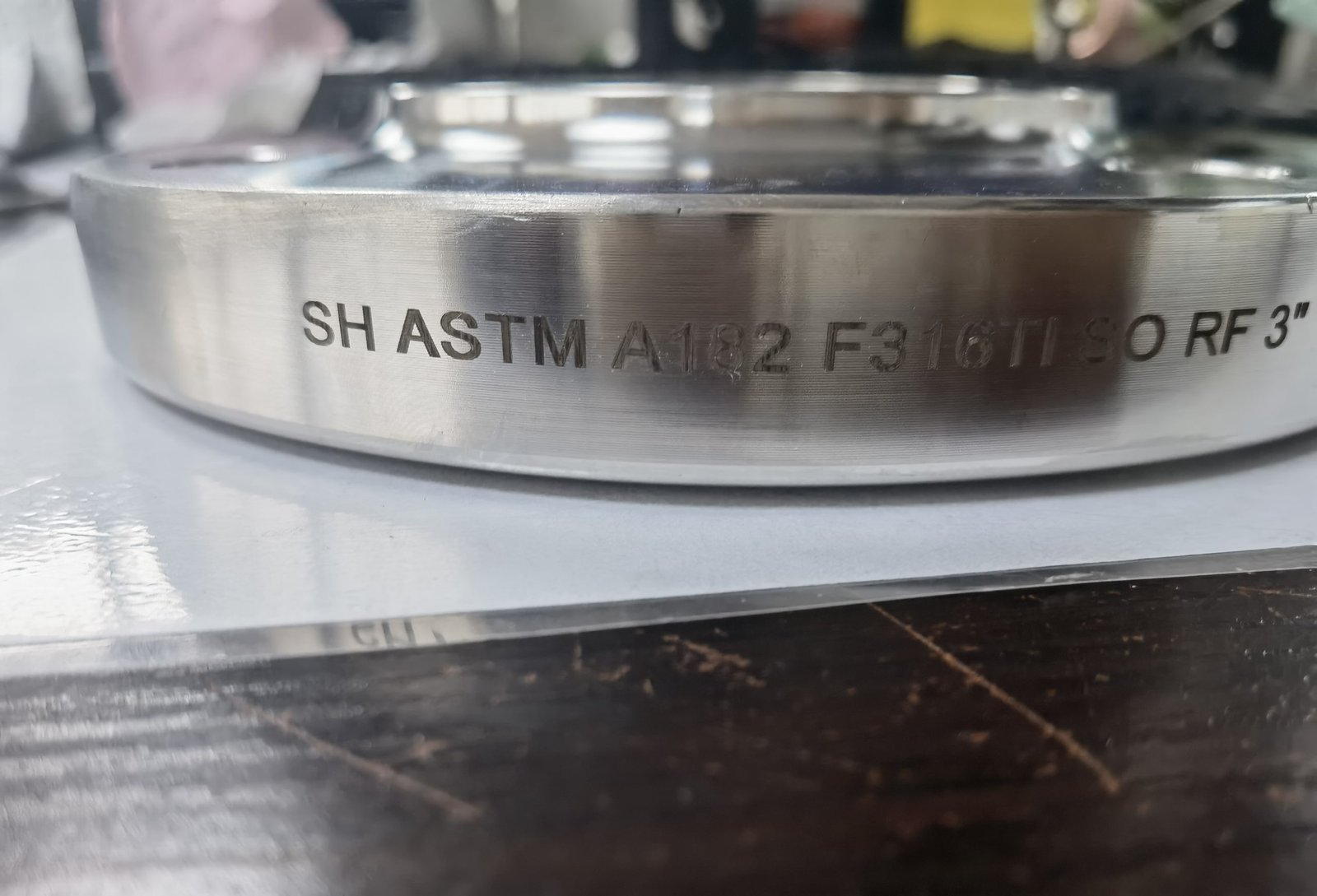
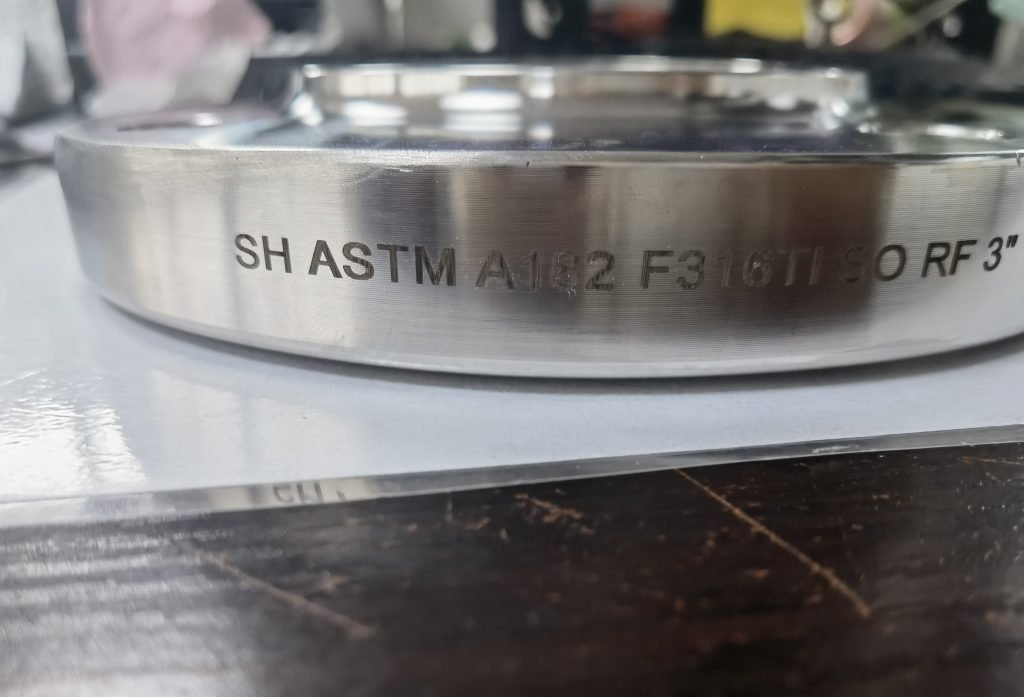
316Ti (UNS S31635) is a titanium-stabilized austenitic stainless steel. It is essentially a variant of the popular 316L grade, with the key difference being the addition of titanium (Ti). This addition significantly enhances the alloy’s resistance to a specific type of corrosion, making it ideal for demanding environments where standard 316L might fail.
(H2) Key Composition and the Role of Titanium
The chemical composition of 316Ti is similar to 316L, with a crucial extra element:
- Chromium (Cr): ~17% – Provides the fundamental corrosion and oxidation resistance.
- Nickel (Ni): ~11% – Stabilizes the austenitic structure, providing ductility and toughness.
- Molybdenum (Mo): ~2.2% – Enhances resistance to pitting and crevice corrosion, particularly in chloride environments.
- Carbon (C): Low carbon content (<0.08%) to minimize carbide precipitation.
- Titanium (Ti): The defining element. Added in a percentage typically 5x the Carbon content (Ti ≥ 5*C%). Titanium acts as a stabilizer.
Why Titanium Matters: During welding or exposure to high temperatures (approximately 425-860°C / 800-1580°F), carbon in stainless steel can diffuse to the grain boundaries and react with chromium to form chromium carbides. This depletes chromium in the surrounding areas, leading to sensitization and making the steel susceptible to intergranular corrosion (IGC).
Titanium has a stronger affinity for carbon than chromium. Therefore, the titanium preferentially combines with carbon to form stable titanium carbides (TiC), leaving the chromium in solution to maintain its corrosion-resistant properties.
(H2) 316Ti vs. 316L: What’s the Difference?
This is a primary search query, and the distinction is critical.
| Feature | 316Ti (Stabilized Grade) | 316L (Low-Carbon Grade) |
|---|---|---|
| Key Element | Titanium (Ti) added for stabilization. | Very low carbon content only. |
| Sensitization Resistance | Excellent. Titanium prevents chromium carbide formation effectively, even after welding or high-temperature service. | Good, but limited. Resists sensitization due to low carbon, but can be vulnerable in severe or repeated high-temperature cycles. |
| High-Temp Strength | Superior strength at elevated temperatures due to the stabilizing effect. | Lower high-temperature strength compared to 316Ti. |
| Cost | Generally higher due to the titanium addition. | Typically more cost-effective. |
| Primary Use Case | Applications involving welding of heavy sections, or service in the sensitization temperature range. | General corrosion-resistant applications where prolonged high-temperature exposure is not a factor. |
(H2) Main Properties and Advantages of 316Ti
- Excellent Corrosion Resistance: Inherits outstanding resistance to pitting and crevice corrosion from its molybdenum content. Its key advantage is superior resistance to intergranular corrosion after exposure to high temperatures.
- High-Temperature Strength: Maintains better mechanical properties than 316L at elevated temperatures.
- Good Fabricability: Can be welded and fabricated using standard methods for austenitic stainless steels. Post-weld annealing is often not required.
- Toughness and Ductility: Retains good formability and impact strength at low temperatures.
(H2) Common Applications of 316Ti
316Ti is specified in industries where equipment is subjected to both corrosive media and high temperatures.
- Chemical Processing: Vessels, heat exchangers, piping systems, and reactors.
- Power Generation: Components in flue gas desulfurization systems and other high-temperature processing areas.
- Pharmaceutical Industry: Equipment requiring high purity and resistance to aggressive cleaning agents at elevated temperatures.
- Marine and Offshore: Specialized components exposed to warm chloride-rich environments.
- Automotive: Exhaust systems and other high-temperature parts.
(H2) FAQ about 316Ti Stainless Steel
Q: Is 316Ti the same as 321 stainless steel?
A: No, but they are similar. Both 316Ti and 321 are stabilized grades (with titanium). The key difference is that 321 is a stabilized version of 304 stainless steel and does not contain molybdenum. 316Ti offers better pitting corrosion resistance due to its molybdenum content.
Q: Can 316Ti be magnetic?
A: Like other austenitic stainless steels, 316Ti is generally non-magnetic in the annealed state. However, cold working (e.g., cutting, bending) can induce slight magnetism.
Q: Is 316Ti food grade?
A: Yes, 316Ti is considered food-grade and is acceptable for use in food processing equipment, especially where heat treatment or welding is involved.
In summary, 316Ti stainless steel is the preferred choice over 316L when the application involves welding thick sections or sustained service at high temperatures, where the risk of intergranular corrosion is a primary design concern. Its titanium stabilization ensures long-term structural integrity in aggressive environments.