
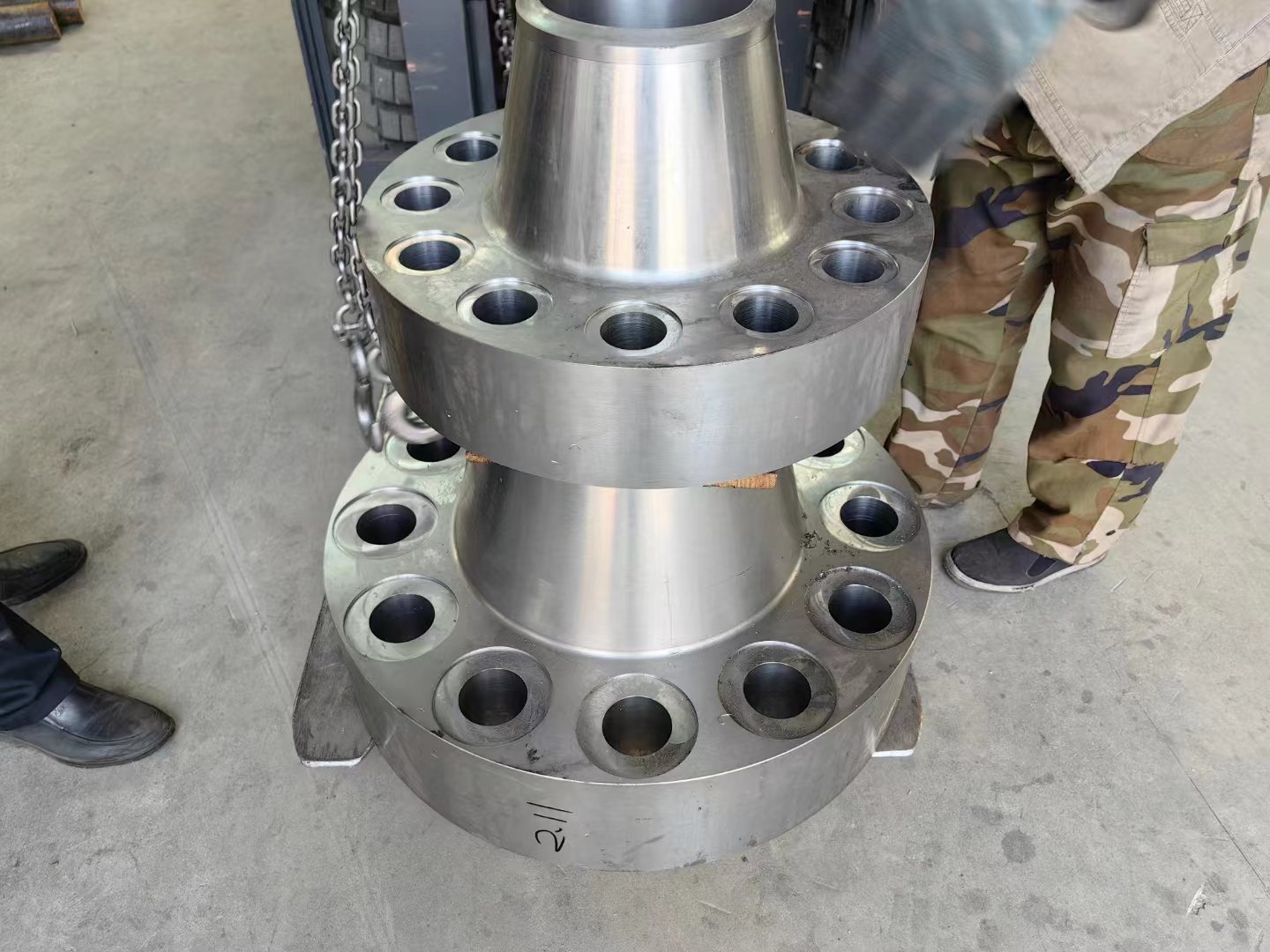
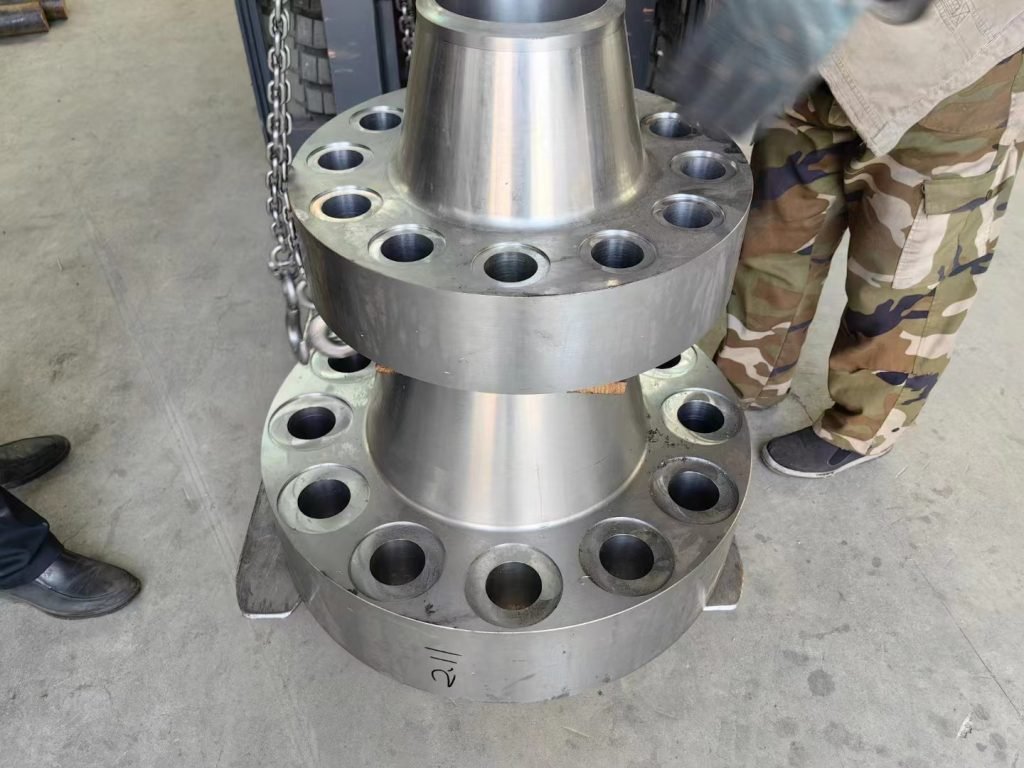
In industries like oil and gas, chemical processing, and cryogenics, component failure is not an option. When temperatures plunge, standard carbon steels can become brittle, risking catastrophic cracks. The ASTM A350 specification exists to prevent this, defining requirements for forgings that must perform reliably in sub-zero environments.
Among its grades, LF1, LF2, and LF3 are the most critical. But what distinguishes them? This guide breaks down the key differences in temperature performance, chemistry, and application to ensure you specify the right material for safety, performance, and cost-efficiency.
The Common Goal: Ensuring Notch Toughness
Before contrasting them, it’s vital to understand what unites LF1, LF2, and LF3: they are all engineered for notch toughness. This is a material’s ability to absorb energy and resist fracturing at stress points (like flaws or sharp corners) in cold conditions. This property is guaranteed through:
- Strict Chemical Controls: Precise alloying element composition.
- Mandatory Charpy V-Notch (CVN) Impact Testing: A standardized test that verifies toughness at a specified low temperature.
The Critical Difference: Low-Temperature Performance
The primary factor differentiating these grades is the minimum temperature at which they are certified to maintain their toughness.
- ASTM A350 LF1: The Standard Choice
- Impact Test Temperature: -50°F (-46°C)
- Role: Designed for moderate low-temperature service. It is a cost-effective option for applications that are cold but not extreme.
- ASTM A350 LF2: The Industry Workhorse
- Impact Test Temperature: -100°F (-73°C)
- Role: The most commonly used grade for general low-temperature applications. It is the standard for piping components, flanges, and fittings in refineries, chemical plants, and offshore platforms.
- ASTM A350 LF3: The Cryogenic Specialist
- Impact Test Temperature: -150°F (-101°C)
- Role: Engineered for severe cryogenic service. Its enhanced properties are essential for applications like liquefied natural gas (LNG) systems and ethylene plants.
A Simple Analogy:
- LF1 is a sturdy jacket – sufficient for a chilly autumn day.
- LF2 is a heavy winter parka – reliable for a harsh winter.
- LF3 is an arctic expedition suit – necessary for survival in extreme, deep-freeze conditions.
Chemistry and Properties: A Detailed Comparison
The difference in temperature capability is directly linked to chemical composition, particularly Nickel (Ni) content, which is a key enhancer of low-temperature toughness.
The table below provides a clear, side-by-side comparison of the essential parameters.
| Feature | ASTM A350 LF1 | ASTM A350 LF2 | ASTM A350 LF3 |
|---|---|---|---|
| Impact Test Temp. | -50°F (-46°C) | -100°F (-73°C) | -150°F (-101°C) |
| Key Application | Moderate Low-Temp | General Low-Temp | Severe/Cryogenic |
| Chemistry (Key) | |||
| › Carbon (C), max | 0.30% | 0.30% | 0.20% |
| › Nickel (Ni) | Not Required | ≤ 0.40% | 3.18 – 3.82% |
| Mechanical Properties | |||
| › Tensile Strength | 70-95 ksi (485-655 MPa) | 70-95 ksi (485-655 MPa) | 70-95 ksi (485-655 MPa) |
| › Yield Strength, min | 36 ksi (250 MPa) | 36 ksi (250 MPa) | 36 ksi (250 MPa) |
How to Choose: A Practical Selection Guide
Selecting the correct grade is a critical safety and economic decision. Follow this guideline:
- Identify the Minimum Design Metal Temperature (MDMT): This is the lowest temperature the component will experience in service, as defined by your project engineers. This is the most important number.
- Match the MDMT to the Grade:
- For MDMT down to -46°C (-50°F): ASTM A350 LF1 is suitable.
- For MDMT down to -73°C (-100°F): ASTM A350 LF2 is the standard choice.
- For MDMT down to -101°C (-150°F) and below: ASTM A350 LF3 is required.