
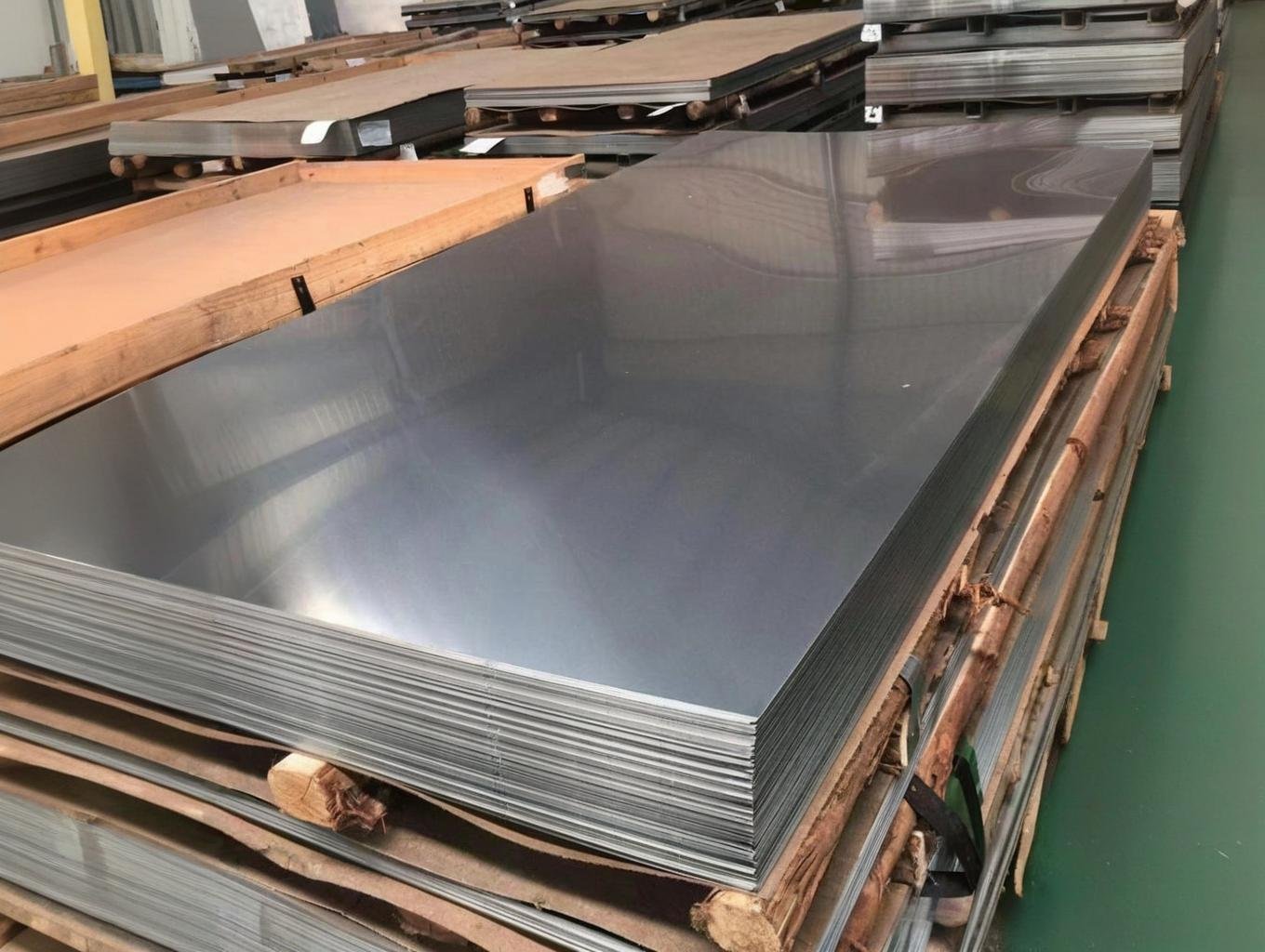

Hot-rolled and cold-rolled steel are two popular forms of steel used in various industries. The main difference between hot and cold is that the hot rolled is formed at high temperatures. Unlike hot-rolled, cold-rolled steel is formed at lower temperatures.
Hot-rolled steel has a rough, scaled surface and is often used in applications because of its material strength. In contrast, cold rolled steel has a smoother surface and is often used for more aesthetic applications such as furniture or appliances.
Hot or Cold Rolled Steel: Understanding the Differences
The differences in process used produces steel with various characteristics from surface finish, mechanical properties, and applications can affect the quality and performance of the final product.
Steel can also impact cost and production efficiency. For example, the wrong use of steel in welding applications can lead to structural failure. Different grades and specifications of steel require different processing methods, which can affect the time, cost, and energy required.
So, understanding the difference between hot rolled and cold-rolled steel is necessary for making informed decisions and ensuring the project’s success.
Steel Processes – Hot Rolled Vs. Cold Rolled
Hot Rolled Steel
Hot rolled steel is used to describe the process how its formed. It is done through the rolling process at high temperatures, typically above 1700°F. The metal forming steel is heated during the hot rolling process and then passed through rollers to create the desired shape or thickness.
This process results in a rough, scaled surface with rounded edges. Hot rolled steel, known for its malleability and ductility, is often used in many applications. Steel is essentially hot rolled and it is typically used for structural components such as I-beams, railroad tracks, sheet metal, and pipes.
Hot rolled steel has been used for centuries and remains important to modern steel production.
Manufacturing Process
The manufacturing process of hot-rolled steel involves heating steel sheds, sheet metal or strip above its recrystallization temperature to make it more malleable. Hot rolled steel is essentially hot during the process, the steel shrinks slightly. The steel is then passed through rollers to shape it into the desired thickness and shape.
This process results in a scaled surface on the steel due to the high temperature. The steel can then cool naturally or through a controlled and near room temperature cooling process. The resulting product has a lower tolerance and may require additional processing to achieve the desired dimensions.
The main difference between hot rolled and cold rolled is that its faster and less expensive to manufacture
Common Applications and Industries
Hot-rolled steel has many applications and is used in various industries. Its malleability and ductility make it suitable for structural components.
It is also commonly used for railroad tracks, pipes, and sheet metal. Essentially, hot-rolled steel is often used in construction, manufacturing, and transportation due to its strength and durability.
The rough surface of hot rolled steel makes it ideal for applications. There is less processing involved because it doesn’t require a smooth finish, such as welding or machining. Since hot-rolled steel is cooled, it produces versatile material making it ideal for various applications across different industries.
Cold-Rolled Steel
Cold-rolled steel is essentially processed below the recrystallization temperature. During the said process, the cold forming steel is compressed between rollers to create a thinner and smoother product with tighter dimensional tolerances.
Cold rolled steel can exhibit a smoother and more polished surface finish than hot-rolled steel. Cold-rolled steel is known for its strength and uniformity, making it suitable for applications that require precise dimensions and surface finishes.
Cold-rolled steel is more expensive and time-consuming than hot-rolled steel but offers improved and unique properties for specific applications.
Manufacturing Process
The manufacturing process of cold-rolled steel involves passing hot-rolled steel through a series of rollers at room temperature. This process compresses the steel to the desired thickness and creates a smoother surface finish.
Compared to hot-rolled steel, the resulting product has improved strength and hardness. The process may also involve annealing, which heats the steel to a specific temperature and then cools it slowly to enhance its properties.
Cold-rolled steel is used for applications that require precise dimensions, surface finishes, and high strength, such as automotive and aerospace parts, electronic components, and construction materials.
Common Applications and Industries
Cold-rolled steel has a variety of applications across multiple industries. It is popular in the automotive industry for body panels and structural components due to its strength and durability.
Due to its uniformity and precise dimensions, the electronics industry uses cold-rolled steel for computer components, appliances, and gadgets. Cold-rolled steel is also used in the construction industry for building materials such as roofing, siding, and metal framing. Additionally, it is used in the aerospace industry for structural components and in the medical industry for surgical instruments.
Cold-rolled steel’s superior strength, uniformity, and surface finish suit various applications.