
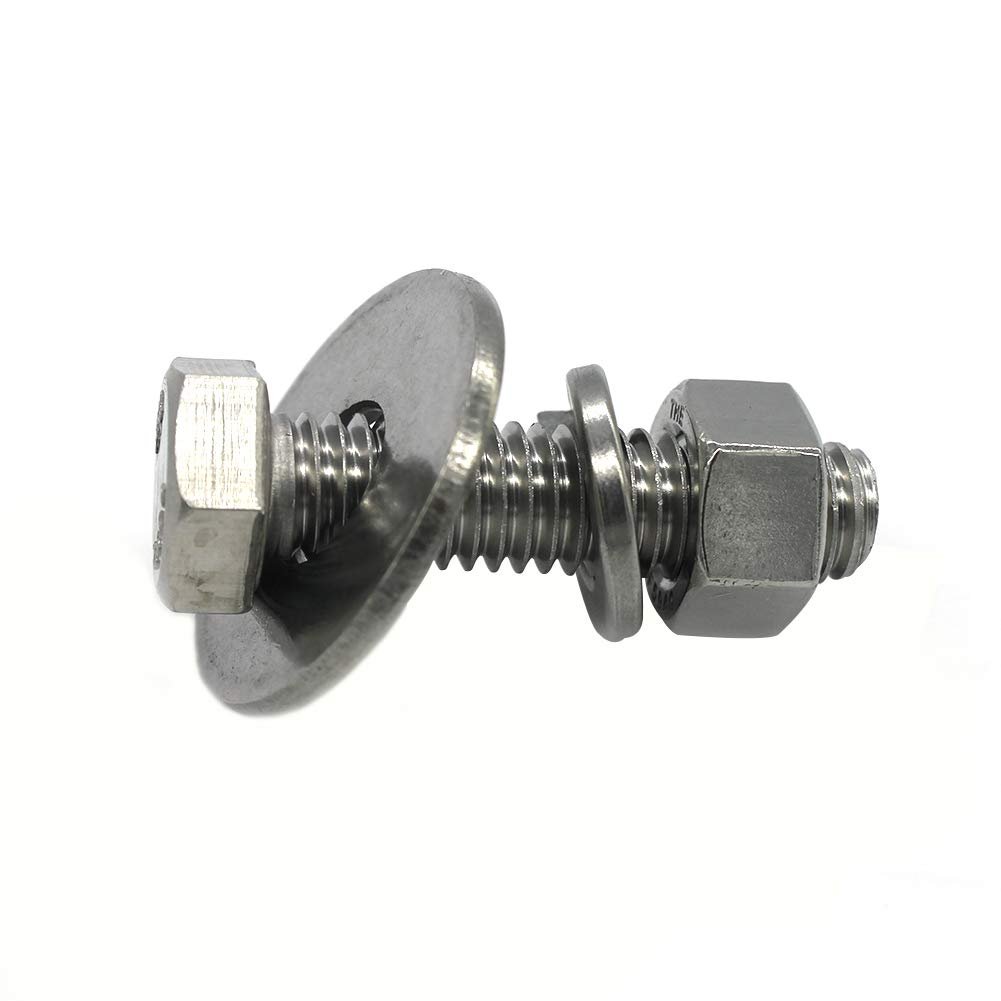
If you’re searching for a high-performance nickel-chromium-molybdenum-niobium alloy for industrial applications, Inconel 625 (UNS N06625) is a top choice. But when it comes to Inconel 625 Grade 1 vs Grade 2, understanding their core differences is critical for optimal performance and cost-efficiency. This guide breaks down their heat treatment, mechanical properties, corrosion resistance, applications, and how to choose the right grade for your project—backed by ASTM B444 and ASME SB444 standards.
What Are Inconel 625 Grade 1 and Grade 2?
Inconel 625 Grade 1 and Grade 2 are two variants of the same nickel-based superalloy (UNS N06625). Their chemical composition is identical, but differences in heat treatment create distinct microstructures and mechanical characteristics. Both retain Inconel 625’s signature exceptional corrosion resistance, but they’re tailored for different operating conditions—from cryogenic temperatures to extreme high-heat environments.
1. Heat Treatment: The Core Difference Between Inconel 625 Gr1 & Gr2
Heat treatment is the primary factor that sets Grade 1 and Grade 2 apart. The temperature and process used alter the alloy’s grain structure, directly impacting strength, ductility, and high-temperature stability.
Inconel 625 Grade 1 Heat Treatment
- Process: Solution annealed at 871–982°C (1600–1800°F)
- Result: Fine-grain microstructure
- Goal: Balance ductility, corrosion resistance, and moderate strength for general-purpose use
Inconel 625 Grade 2 Heat Treatment
- Process: High-temperature solution anneal at ≥1093°C (2000°F), often followed by stabilization annealing at 982°C (1800°F)
- Result: Coarse-grain microstructure
- Goal: Maximize creep resistance and stress-rupture resistance for high-temperature applications
2. Mechanical Properties Comparison (Annealed Conditions)
The grain structure from heat treatment directly influences mechanical performance. Below is a side-by-side comparison of key properties, aligned with industry standards (ASTM B444/ASME SB444):
| Mechanical Property | Inconel 625 Grade 1 | Inconel 625 Grade 2 |
|---|---|---|
| Tensile Strength | ≥827 MPa (120 ksi) | ≥690 MPa (100 ksi) |
| Yield Strength | ≥414 MPa (60 ksi) | ≥276 MPa (40 ksi) |
| Elongation | ≥30% | ≥30% |
| Creep Resistance | Moderate (up to 593°C / 1100°F) | Excellent (up to 1000°C / 1832°F) |
| Hardness (Brinell) | 145–240 HB | Slightly lower (coarser grain effect) |
Key Tradeoff: Grade 1 offers higher room-temperature strength for flexible, formable applications. Grade 2 sacrifices some tensile strength to gain superior high-temperature stability and creep resistance.
3. Chemical Composition: Identical Core Alloy
Unlike many alloy grades, Inconel 625 Grade 1 and Grade 2 share the same chemical composition. All differences stem from heat treatment, not alloying elements. Here’s the standard composition per ASTM B444:
- Nickel (Ni): ≥58%
- Chromium (Cr): 20–23%
- Molybdenum (Mo): 8–10%
- Niobium + Tantalum (Nb+Ta): 3.15–4.15%
- Iron (Fe): ≤5%
- Carbon (C): ≤0.10%
This composition is what gives both grades their exceptional corrosion resistance—especially against pitting, crevice corrosion, and chloride stress corrosion cracking.
4. Corrosion & Oxidation Resistance
Both grades excel in aggressive environments, but Grade 2’s high-temperature heat treatment enhances its performance in extreme heat:
General Corrosion Resistance
Both Grade 1 and Grade 2 have a Pitting Resistance Equivalent Number (PREN) >45, making them ideal for: Seawater and marine environmentsChemical processing (acids, solvents, and corrosive fluids)Oil and gas sour service (high H₂S partial pressure)
Oxidation Resistance
Grade 2 outperforms Grade 1 in high-temperature oxidation and scaling resistance, particularly in environments like: Hydrogen dissociators (700–1000°C)Gas turbine exhaust systemsHigh-temperature industrial furnaces
5. Fabrication & Welding Guidelines
Understanding fabrication differences helps avoid project delays. Both grades are weldable, but their formability varies by grain structure:
Formability
- Grade 1: Easier cold-working due to fine grains—ideal for bending, stamping, and forming complex shapes.
- Grade 2: Requires more force for forming (coarser grains) but offers better dimensional stability at high temperatures.
Welding
Both grades are compatible with TIG, MIG, and SMAW welding processes. Use ERNiCrMo-3/ENiCrMo-3 filler metal for best results: Grade 1: Post-weld annealing at 870°C recommended to reduce residual stress.Grade 2: Stabilization annealing required post-weld to prevent sensitization and maintain corrosion resistance.
6. Applications: Which Grade Fits Your Project?
Selecting the right grade depends on your operating temperature, environment, and mechanical requirements. Below are common use cases for each:
Inconel 625 Grade 1 Applications
Best for general-purpose, medium-temperature, and corrosion-resistant needs (cryogenic to 593°C / 1100°F): Marine engineering: Offshore pipelines, pumps, valves, and ship components.Chemical processing: Reactors, heat exchangers, and storage tanks.Aerospace: Components requiring corrosion resistance and moderate strength.Food processing: Corrosion-resistant equipment for acidic food products.
Inconel 625 Grade 2 Applications
Designed for high-temperature, high-pressure, and extreme-stress environments (up to 1000°C / 1832°F): Energy production: Gas turbine parts, superheaters, and nuclear reactor components.Hydrogen production: Catalyst tubes and reformers.Oil and gas: Deep-sea casings, downhole tools, and sour gas service equipment.Industrial furnaces: Heating elements and refractory supports.
7. Cost Considerations
Inconel 625 Grade 2 is typically more expensive than Grade 1 due to its complex high-temperature heat treatment and specialized performance. However, its long-term durability in extreme conditions often justifies the higher upfront cost—especially for projects where downtime or component failure is costly.
Inconel 625 Grade 1 vs Grade 2: Final Selection Guide
| Factor to Consider | Choose Grade 1 If… | Choose Grade 2 If… |
|---|---|---|
| Operating Temperature | You need cryogenic to 593°C (1100°F) performance | You need up to 1000°C (1832°F) stability |
| Mechanical Needs | Higher room-temperature strength and formability are key | Creep and stress-rupture resistance are critical |
| Application Type | Marine, chemical, or general industrial use | Energy production, high-heat industrial, or deep-sea oil/gas |
| Budget | Cost-effectiveness for standard applications is a priority | Long-term durability in extreme conditions justifies higher cost |
Conclusion
Inconel 625 Grade 1 and Grade 2 are both high-performance superalloys, but their heat treatment-driven differences make them suited for distinct applications. Grade 1 shines in general-purpose, medium-temperature environments where strength and formability matter most. Grade 2 is engineered for extreme high-heat, high-stress scenarios where creep resistance and long-term stability are non-negotiable.
By aligning your project’s temperature, environment, and mechanical requirements with the properties outlined above, you’ll select the optimal Inconel 625 grade for performance, cost, and longevity. For customized guidance on material selection or ASTM-compliant Inconel 625 solutions, contact a trusted alloy supplier today.
Contact us today to get customized Inconel 625 project’s needs, and let our expertise drive your success in one of the world’s most dynamic industrial markets.
Contact Info:Email: info@shpipeindustry.com
Phone: 0086-18837185745
Website: www.shpipeindustry.com